Commoning is how we learn to hold power together.
Enabling self-governance at scale. The Commoning Standard is an open, living framework for people, organizations, institutions, communities, and networks seeking more relational, regenerative, and accountable ways to govern themselves and steward what they share.
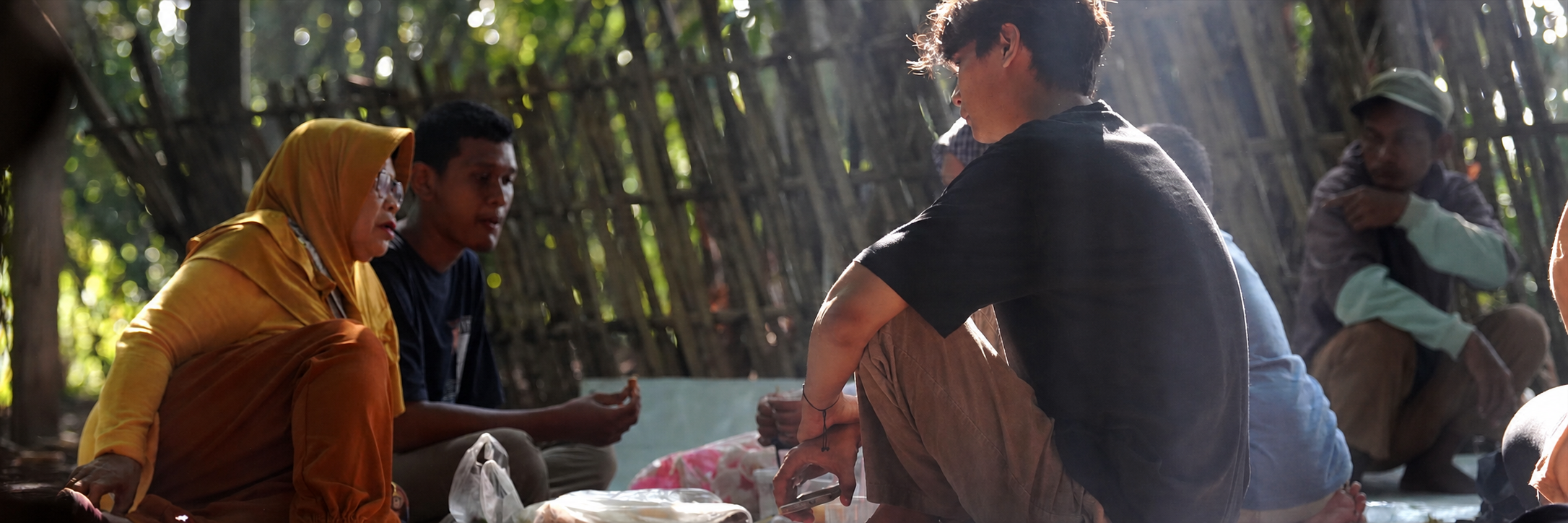
Make cooperation across difference learnable and practicable.
Many of humanity’s most urgent challenges are also challenges of cooperation. Across sectors and societies, people are experimenting with governance, organizational design, commons stewardship, digital coordination, and healthy power-sharing—but much of this learning remains separated by discipline, institution, technology, or mission.
The Commoning Standard connects these efforts in an open shared framework. It helps knowledge travel across teams, organizations, institutions, networks, and communities without prescribing one model or erasing local sovereignty.
Self-governance at scale does not mean centralizing control. It means strengthening our capacity to coordinate across contexts while preserving agency, relationship, and accountability.
Four dimensions of commoning
The framework connects what we understand, what we do, what we are able to do, and who we are becoming.

Knowledge
What do we understand?Research, evidence, principles, lived experience, and mental models for understanding cooperation, governance, power, and the commons.
Practices
What do we do?Methods, processes, governance structures, tools, and repeated actions that transform shared purpose into coordinated action.

Skills
What are we able to do?Listening, facilitation, collaboration, decision-making, conflict transformation, coordination, and shared stewardship.
Traits
Who are we becoming?Humility, courage, reciprocity, integrity, trustworthiness, and care—the qualities that help healthy power endure.
Open orgware, governed as a commons.
Organizations depend on more than software and hardware. They also need “orgware”: the agreements, practices, processes, and human capacities that enable people to work together.
The Standard develops this organizational infrastructure through an ongoing cycle of convening, synthesis, application, research, and learning. Because this knowledge belongs to humanity as a whole, the people who use and contribute to it should also participate in its evolution.
Who this work is for
Organizations and institutions
Businesses, cooperatives, nonprofits, universities, banks, public institutions, and associations seeking more participatory, adaptive, and accountable ways to govern.
Communities, networks, and platforms
People stewarding shared resources, relationships, places, movements, digital spaces, and collective decisions.
Researchers, practitioners, and technologists
People studying, building, facilitating, funding, teaching, or supporting the knowledge, tools, and infrastructure of effective self-organization.
Board of Advisors
The Board of Advisors brings experience from research, practice, technology, institutions, and movements to help strengthen the Standard’s integrity, relevance, and long-term direction.
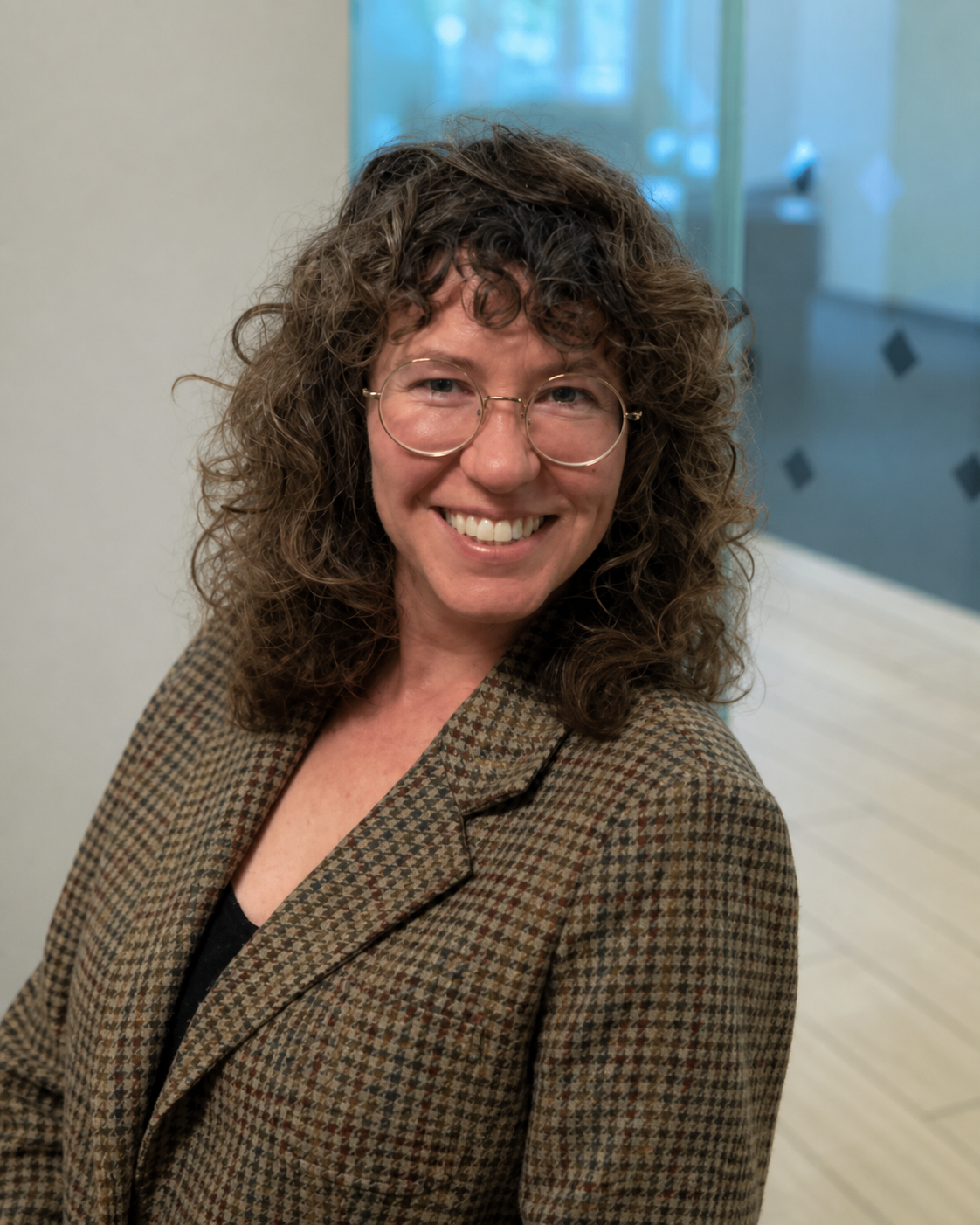
Liz Barry
Liz Barry is Executive Director and a Research Director at Metagov. Her work focuses on self-determination, collective action, and technologies that support democratic movements. Previously, she led partnerships at the Computational Democracy Project, which she established with the creators of Polis to steward its open-source technology and methods. Liz works with facilitators, social movements, civil-society organizations, journalists, Indigenous nations, democratic governments, and peacebuilders to advance “listening at scale.” Her engagement with Taiwan’s civic-technology community helped introduce the participatory vTaiwan process to Western audiences.
LinkedIn ↗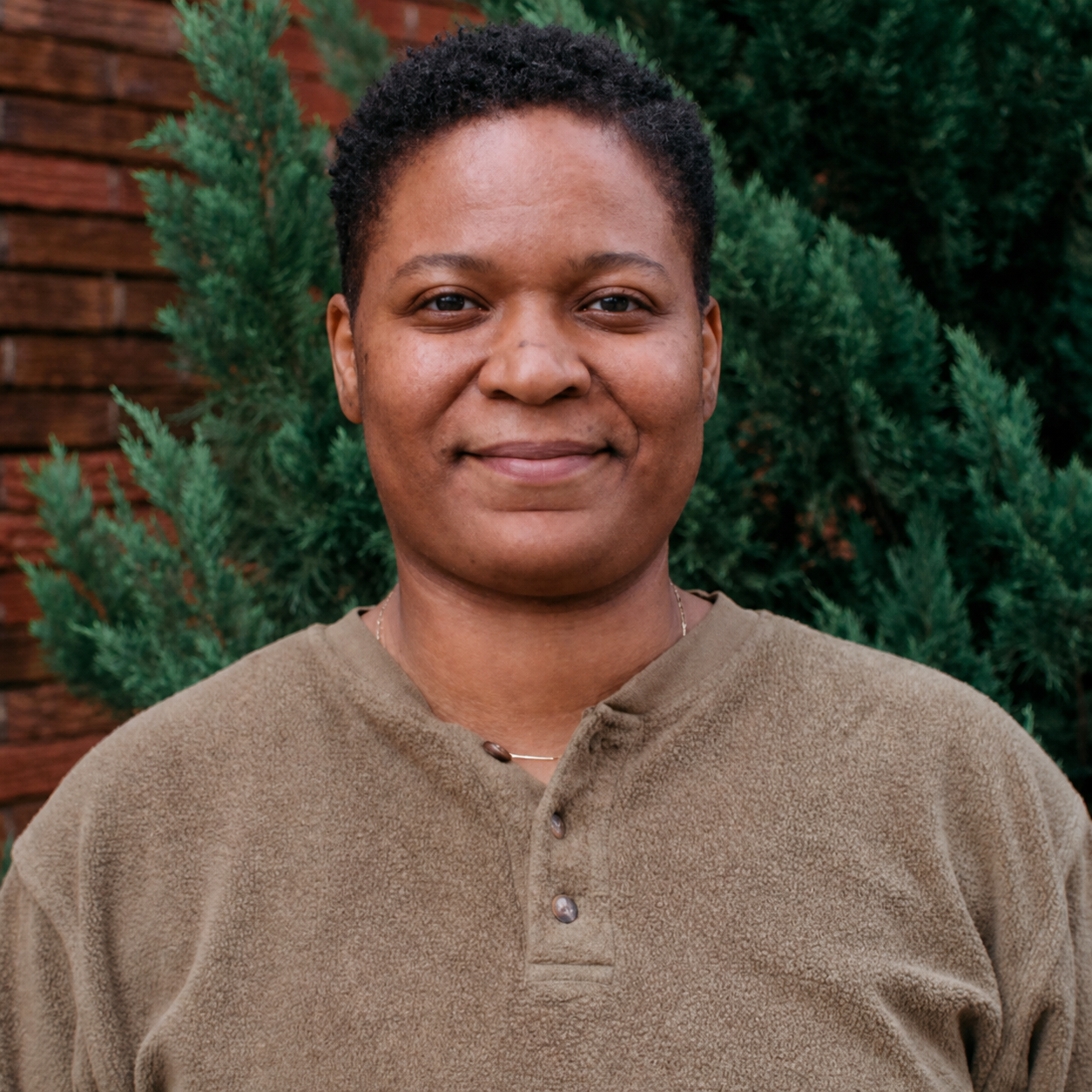
Lauren Wood
Lauren Wood is Principal of Continuum Collective, a cooperative development and consulting organization that supports communities in building the institutions, governance systems, and shared infrastructure necessary for collective ownership and economic self-determination. Her work focuses on the relationships between cooperative enterprise, community governance, land, capital, and place, with a particular focus on communities in the U.S. South.
More…Less
Lauren approaches cooperative development as a practice of institution-building: helping communities move from shared vision to durable structures for ownership, decision-making, stewardship, and accountability. Her work is grounded in the belief that democratic governance is not simply a structure to be designed, but a collective capacity that communities develop and practice over time.
Through Continuum, Lauren works with cooperatives, community-owned enterprises, and emerging community institutions to design the systems and relationships that allow collective ownership to take root and endure. Her current work includes co-developing a community-owned food enterprise in southwest Atlanta; supporting a community fund exploring new models for directing capital toward cooperative development and community-led infrastructure; and supporting an educational and agri-tourism initiative on family land in Lincoln County, Georgia, centered on regenerative agriculture, cultural preservation, and rural economic development.
Across these projects, Lauren is interested in a fundamental question: what does it take to build institutions that enable people to collectively govern the resources, enterprises, and places that shape their lives? Her practice spans cooperative formation, governance design, financial planning, and ecosystem strategy, with an emphasis on building the durable infrastructure through which communities can exercise collective power and sustain shared ownership..
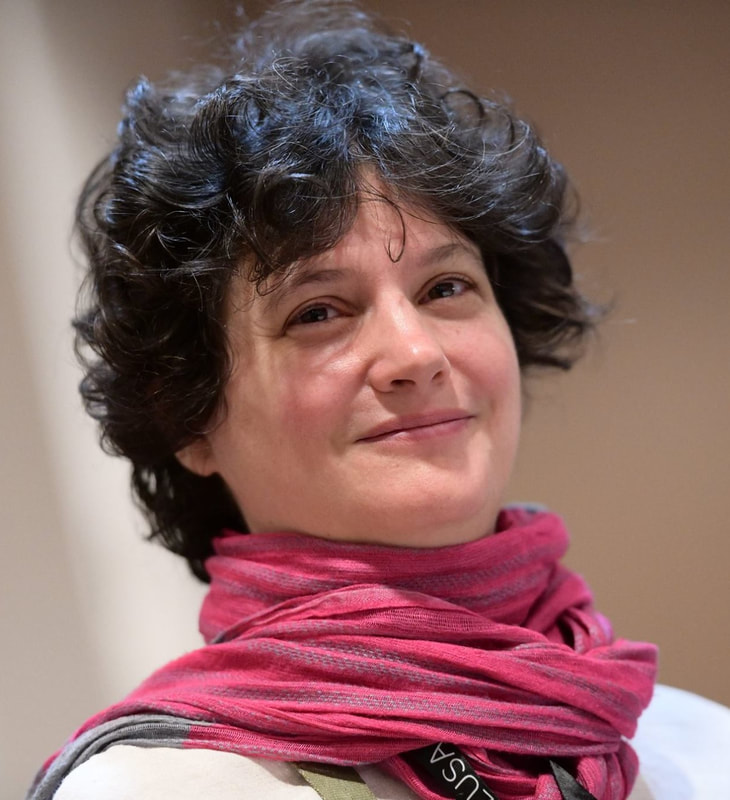
Noémi Giszpenc
Noémi Giszpenc is Executive Director of Keystone Development Center and a dedicated cooperator with more than twenty years of experience in cooperative development and democratic ownership. From 2009 through 2022, she led the Cooperative Development Institute through a period of significant growth. Noémi holds a master’s degree in cooperative economic development from Southern New Hampshire University and is a certified Level II Collab Facilitator. At Keystone, she works with the organization’s team to deliver high-quality services that advance cooperative development and strengthen democratically owned enterprises.
LinkedIn ↗
Andy Paice
Andy Paice is a facilitator and engagement designer specializing in public participation and deliberative democracy. As Head of Engagement and Facilitation at CrownShy, he connects digital tools with real-world democratic practice to support inclusive and effective citizen engagement. Andy has designed and facilitated more than a dozen citizens’ assemblies, juries, and panels across the United Kingdom. He also advised the Austrian Climate Assembly on using Polis to involve thousands of people in climate dialogue. Andy serves as President of the Board of the Co-Intelligence Institute and brings extensive experience helping communities and policymakers turn dialogue into meaningful action.
LinkedIn ↗
Doug Webb
Doug Webb has spent more than a decade building cooperatives, collectives, and other forms of commons, guided by a persistent question: How can we out-cooperate domination? With a background in chemistry, he brings a structural lens to complex and often chaotic circumstances—revealing patterns, clarifying relationships, and refining systems. His approach is influenced by Elinor Ostrom’s institutional analysis, computational theories, and historical study. Across his work, Doug explores how people can develop durable structures for cooperation, collective stewardship, and shared power.

Greg Cassel
Greg Cassel is the founder of Inclusive Organizing and a designer of open-source tools for prosocial organizing. He specializes in consent-based governance, scalable systems, compassionate dialogue, and transformative justice. In addition to founding and stewarding InclusiveOrganizing.net, Greg has written for the P2P Foundation and contributed deeply to projects and communities including Metagov, Contributor Covenant, the Collaborative Technology Alliance, Value Flows, and the Enspiral Network.
Greg is also passionately devoted to organic gardening and habitat management that restores local ecosystems. Whenever he can, he enjoys exploring the Appalachian woods.
LinkedIn ↗Staff
The staff carries the work forward day to day through research, coordination, community building, training, and stewardship of the Standard.
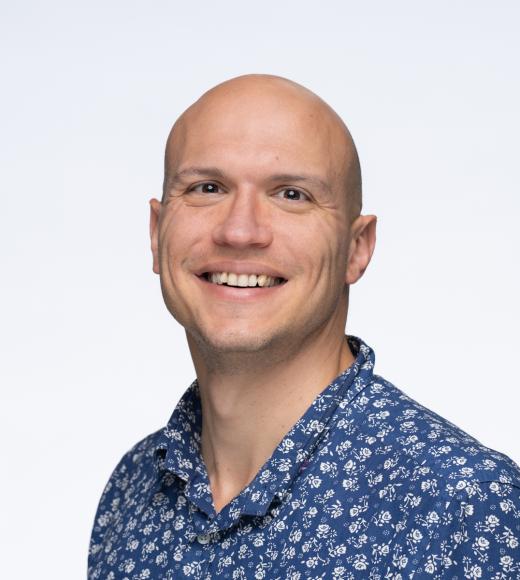
Seth Frey
Dr. Seth Frey is co-founder of The Commoning Standard and an associate professor of Communication at the University of California, Davis. He is also an affiliate of Indiana University’s Ostrom Workshop and a Research Director at Metagov. Seth specializes in computational institutional science, using online communities as model systems for understanding emergent organizational phenomena and the governance of shared resources.
Alongside his academic work, Seth has spent twenty years organizing within the cooperative movement, developing intentional communities and helping transition them into collective ownership. He earned his Ph.D. in Cognitive Science and Informatics from Indiana University and his B.A. in Cognitive Science from UC Berkeley. Previously, he worked as a behavioral economist at Disney Research within Walt Disney Imagineering. His research has appeared in PNAS, Nature Scientific Reports, and Proceedings of the Royal Society, with support from the NSF, NASA, and the Ford Foundation.
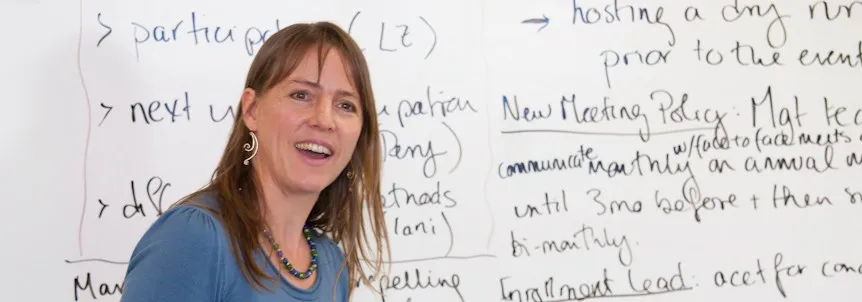
Cecile Green
Cecile Green is a visionary, entrepreneur, homesteader, and builder devoted to developing practical approaches to healthy shared power. An integral scholar-practitioner and lifelong learner, she holds a B.S. in Community Supported Agricultural Systems from UMass Amherst and brings three decades of experience in entrepreneurial environments.
Cecile is the innovator of Collab, an ecology of practices for effective power sharing developed through extensive research and experimentation with social power, decision-making, and organizational operations. She is the author of “Collaboration that Works: A Ruthlessly Practical Handbook for a Generative World,” a training manual that makes these practices accessible to organizations. Cecile co-founded the worker cooperative Round Sky Solutions and teaches in its Cooperative Leadership Certification Program. Her academic publications include “The Organizational Power Matrix: Toward a Metapraxis of Power” and “Instantiating a Global Governance Commons.”
Raised in Istanbul, Turkey, Cecile learned French at an embassy school and spent her childhood exploring ancient ruins and the waters of the Aegean. Outside her work, she enjoys the wilds of Vermont, dancing, and building community by growing food together.
The Standard grows through participation.
Bring your research, methods, institutional experience, technology, community practice, and questions into an open framework designed to be governed and shaped together.
Join the community